
Don’t Visit Lombok… You’ll Miss It Forever: Travel Guide, History, and the Hidden Magic of Lombok Island
Don’t Visit Lombok… You’ll Miss It Forever: Travel Guide, History, and the Hidden Magic of Lombok Island
There is a saying travelers often repeat after leaving Lombok:
“Don’t visit Lombok… or you’ll spend the rest of your life wanting to return.”
It sounds like a joke — but anyone who has stood on its beaches, watched sunrise over Mount Rinjani, or shared tea in a Sasak village knows the truth behind it.
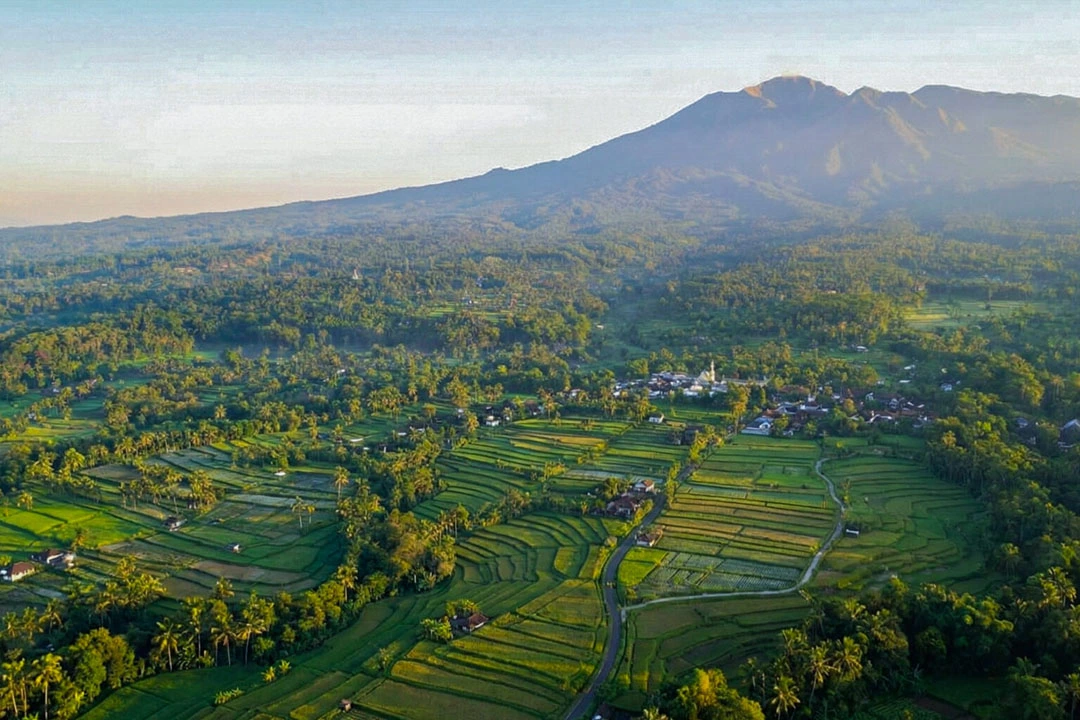
Lombok Island is not just another Indonesian destination. It is a place where nature feels untouched, culture feels alive, and time seems to slow down. Located in West Nusa Tenggara, Lombok offers a rare blend of tropical beaches, volcanic mountains, traditional villages, and peaceful landscapes that many travelers now seek as an alternative to crowded destinations.
This complete Lombok travel guide explores the island’s history, natural beauty, culture, and why visitors never forget their first trip here.
Where Is Lombok Island?
Lombok lies just east of Bali, separated by the Lombok Strait. Despite its proximity to Bali, the atmosphere feels entirely different. Lombok is quieter, more spacious, and deeply rooted in local traditions.
The island is part of Indonesia’s Lesser Sunda Islands and is surrounded by turquoise waters rich in marine biodiversity. It is easily reached by flight from Bali or Jakarta, or by fast boat connections across the strait.
Mataram (capital city)
Senggigi (west coast beaches)
Kuta Mandalika (south coast)
Lombok serves as both a relaxing beach escape and an adventure destination
A Brief History of Lombok
Understanding Lombok’s history adds depth to every journey across the island.
The name Lombok comes from the Sasak word “lomboq,” meaning straight or honest — a reflection of the island’s indigenous people, the Sasak tribe. The Sasak culture remains the heart of Lombok identity.
In the 14th century, Lombok fell under the influence of the Majapahit Empire of Java. This period introduced elements of Javanese governance, art, and social structure still visible in local traditions.
By the 17th century, Balinese kingdoms expanded into western Lombok, creating a unique fusion of Sasak and Balinese culture. Temples, ceremonies, and architecture from this era remain visible today.
In the late 19th century, Dutch colonial forces conquered Lombok, reshaping political systems but failing to erase local identity. After Indonesian independence, Lombok gradually emerged as a cultural and tourism center of West Nusa Tenggara.
Today, the island stands as a living archive of layered history — indigenous roots, Balinese influence, colonial legacy, and modern Indonesian identity.
Lombok’s World-Class Natural Beauty
Lombok is famous for its coastline diversity.
Senggigi Beach offers dramatic sunsets and relaxed seaside resorts.
Kuta Mandalika Beach is known for its pepper-like white sand and rolling hills.
The Gili Islands — Gili Trawangan, Gili Meno, and Gili Air — are internationally recognized marine destinations with crystal-clear water and vibrant coral reefs.
Snorkeling and diving in Lombok rank among the best in Southeast Asia. Marine life thrives thanks to healthy reefs and protected ecosystems.
Unlike overdeveloped beach destinations, many Lombok shores remain peaceful and uncrowded — a rare luxury in modern travel
Mount Rinjani: The Adventure Icon
Mount Rinjani is Indonesia’s second-highest volcano and the island’s defining landmark.
Rising 3,726 meters above sea level, Rinjani dominates the skyline and attracts trekkers from around the world. The Rinjani National Park features crater lakes, volcanic landscapes, and panoramic viewpoints that feel otherworldly.
The Segara Anak crater lake glows deep blue beneath the volcano’s rim, creating one of Southeast Asia’s most breathtaking mountain scenes.
Climbing Rinjani is physically demanding but spiritually rewarding — a journey many travelers describe as life-changing.
Waterfalls and Hidden Jungles
Northern Lombok hides lush rainforests and cascading waterfalls.
Tiu Kelep and Sendang Gile waterfalls near Senaru are among the most famous. Cool mist, jungle air, and mountain water create a refreshing contrast to coastal heat.
These natural sites remind visitors that Lombok is more than beaches — it is an island of ecological diversity.
Sasak Culture and Local Hospitality
One reason travelers miss Lombok is its people.
The Sasak community is known for warmth and openness. Visitors often feel welcomed not as customers, but as guests.
Traditional villages such as Sade and Ende preserve ancient architecture and weaving traditions. Walking through these villages offers insight into daily life unchanged for generations.
Local cuisine adds another layer to the experience:
Ayam Taliwang (spicy grilled chicken)
Plecing Kangkung (water spinach salad)
Sate Rembiga (spiced beef skewers)
The bold flavors reflect Lombok’s identity — simple, fiery, and unforgettable.
Cultural festivals, music, and ceremonies remain active parts of community life. Tourism here feels immersive rather than staged
Why Travelers Always Miss Lombok
Lombok offers something increasingly rare in modern travel:
space, silence, and authenticity.
It is developed enough for comfort, yet untouched enough to feel personal. Beaches are wide. Villager roads are quiet. Sunsets stretch across open skies without crowds.
Time moves slower.
Travelers leave Lombok feeling reset — and that feeling lingers long after returning home. Memories return unexpectedly: the smell of sea air, the rhythm of village life, the sight of Rinjani at dawn.
That emotional imprint is why people say:
“Don’t go to Lombok… you’ll miss it forever.”
Best Time to Visit Lombok
Lombok is a year-round destination, but each season offers a different character:
April – June: Green landscapes and comfortable weather
July – September: Dry season with calm seas
October – November: Clear skies and fewer tourists
December – March: Rainy season, lush scenery, fewer crowds
The dry season is ideal for trekking and island hopping, while the wet season enhances waterfalls and forests.
Responsible Travel in Lombok
As tourism grows, protecting Lombok’s environment and culture becomes essential.
Visitors can help by:
Supporting local businesses
Reducing plastic waste
Respecting village customs
Using reef-safe sunscreen
Traveling with eco-conscious operators
Sustainable tourism ensures Lombok remains beautiful for future generations.
Lombok Is Not Just a Destination — It’s a Feeling
Standing on a quiet Lombok beach at sunset, hearing waves instead of engines, watching Mount Rinjani silhouette against the sky — you realize this island is not built for spectacle.
It is built for connection.
Connection to nature.
Connection to culture.
Connection to yourself.
Lombok doesn’t overwhelm. It invites.
And once you leave, it stays with you.
Final Words
Lombok is a rare blend of history, nature, and living tradition. From volcanic mountains to coral islands, from Sasak villages to modern resorts, every corner offers a story.
Travelers don’t just visit Lombok.
They carry it home with them.
So if one day you decide to go…
remember the warning:
Don’t visit Lombok… or you’ll spend the rest of your life wanting to return