
How Hard Is the Mount Rinjani Trek? Difficulty, Fitness and Altitude
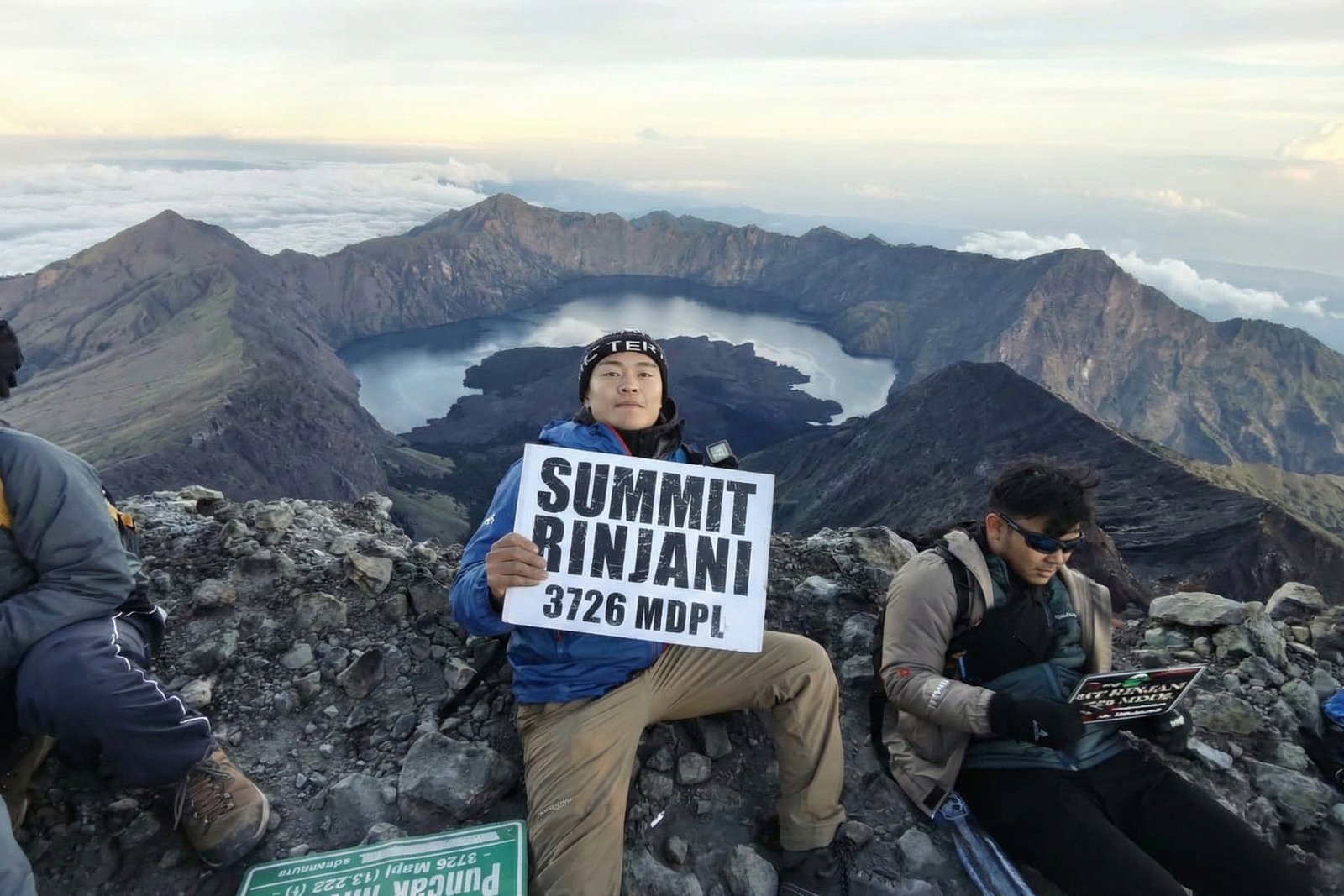
Mount Rinjani is a hard trek: the summit climb gains about 2,570 m from the Sembalun gate (1,156 m) to the top (3,726 m), with a long, steep first day and a three-hour night climb on loose volcanic sand. It is not technical (no ropes or climbing skills), but it demands real stamina and strong knees. Fit beginners can do it, especially on a 3- or 4-day itinerary. If you are new to mountains, the 2D1N Senaru crater rim trek is the most manageable way to see the caldera without the summit. Since 2025, every climber also needs a health certificate, and inexperienced climbers must walk with a certified guide.
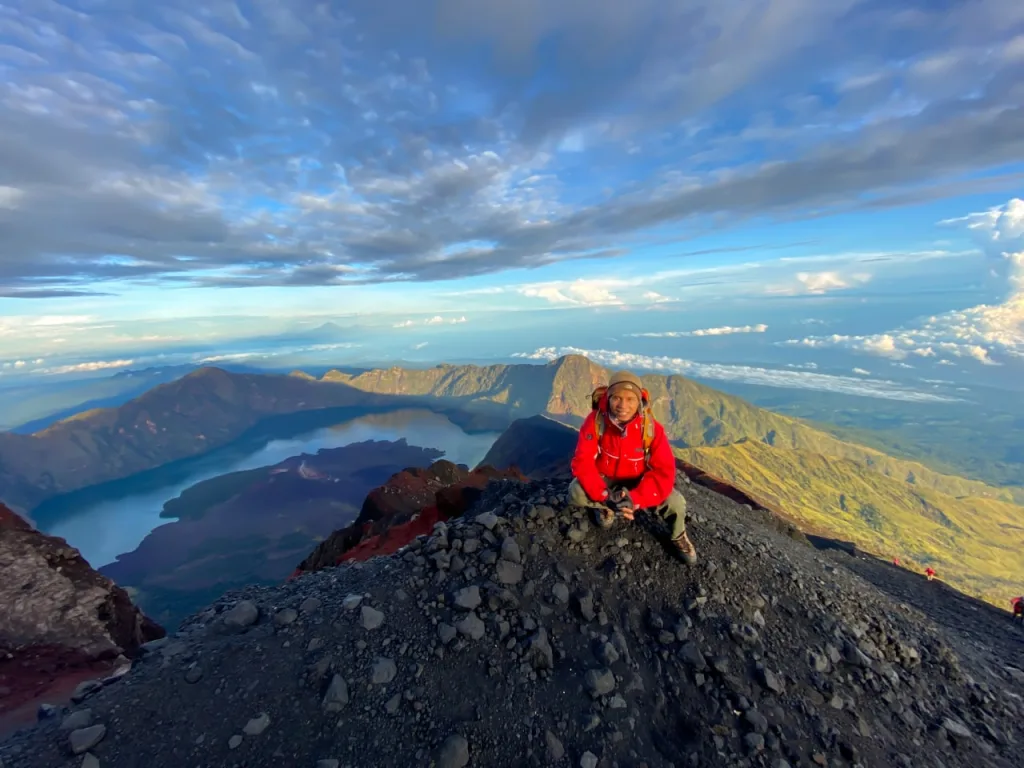
Many visitors come to Lombok for beaches and snorkeling and decide on Rinjani at short notice. That is possible, but it helps to know exactly what makes the trek hard, which itinerary fits your fitness, and how to prepare. This guide is based on the itineraries our guides walk every season.
Rinjani difficulty by trek
| Trek | Highest point | Elevation gain (approx.) | Hardest part | Difficulty | Good for beginners? |
|---|---|---|---|---|---|
| 2D1N Senaru crater rim | 2,641 m | 2,040 m up and down | Long forest climb, knee-heavy descent | Moderate to hard | Yes, with basic fitness |
| 2D1N Sembalun crater rim | 2,639 m | 1,480 m up and down | Steep ridges after Pos 3 | Moderate to hard | Yes, with basic fitness |
| 2D1N Sembalun summit | 3,726 m | 2,570 m in about 24 hours | Summit night after a long day, fast descent | Hard to very hard | Only if fit and used to hiking |
| 3D2N summit and lake | 3,726 m | 2,570 m to the summit, plus about 640 m from the lake to the Senaru rim | Summit plus steep lake descent and climb | Hard | Fit beginners |
| 4D3N Sembalun to Senaru | 3,726 m | Same as 3D2N, spread over 4 days | Summit night | Hard, but the gentlest summit option | Fit beginners |
What makes Rinjani hard?
1. The first day is long and steep
On the Sembalun side you walk seven to nine hours, including breaks, from about 1,156 m to the crater rim at 2,639 m. The savanna to Pos 3 is gentle, but after lunch the trail climbs a series of steep ridges for about three hours. On the Senaru side you start lower, at about 601 m, and climb more than 2,000 m through forest in one day.
2. The summit climb at night
You wake at 02:00-03:00, after a short and often cold night, and climb about 1,100 m in around three hours by headlamp. The final ridge is loose volcanic gravel and sand: you slide back with every step, the air is thinner and the wind is cold. This is where most trekkers find their limit. Your guide decides the turnaround time so that you reach the top around sunrise and descend safely.
3. The descents
Going down is faster but tougher on the knees. The sand slope from the summit, the steep and narrow path down to Segara Anak Lake, and the long rainforest descent to Senaru with roots and mud after rain are all demanding. Trekking poles help a lot.
4. Cold, sun and weather
The savanna has little shade, so you can get sunburnt in the morning and be cold the same evening at the rim. On the summit before sunrise, wind chill feels close to freezing in the dry season. In the shoulder months, rain makes the trail slippery. Read our guide to the best time to climb Mount Rinjani.
Altitude on Rinjani: should I worry?
Rinjani’s camps are at about 2,640 m and the summit at 3,726 m. At these heights most healthy trekkers feel only mild effects such as shortness of breath, a light headache or poor sleep, but altitude sickness is possible, especially on the fast 2D1N summit trek where you go from sea level to 3,726 m in little more than a day. Warning signs are a strong headache, dizziness, nausea and unusual tiredness. To reduce the risk:
- Choose a 3D2N or 4D3N itinerary if you have the time; the slower pace helps.
- Walk slowly and steadily, drink enough water and avoid alcohol before the trek.
- Tell your guide immediately if you feel unwell. Descending is the best treatment.
- If you have heart, lung or blood-pressure problems, ask your doctor before booking. A health certificate is required anyway.
Can beginners climb Rinjani?
Yes, if “beginner” means no mountain experience but reasonable fitness. Many first-timers reach the crater rim and enjoy it: in a trek story on our blog, a hiker on the 2D1N Senaru trek described the forest climb as “not difficult, but definitely tiring”, and the sunrise over the caldera as the moment that made it worth it. The summit is a different level. If you rarely exercise, start with the crater rim; if you hike regularly or run, the summit is realistic, preferably on a 3D2N or 4D3N trek.
Rules matter too: under the national park’s 2025-2026 SOP, climbers under 17 or without climbing experience must be accompanied by a certified guide, every climber needs a health certificate, and all trekkers attend a safety briefing. Foreign trekkers must book through a licensed trekking organiser. See eRinjani booking and permit fees.
How to prepare: a 6-week fitness plan
- Weeks 1-2: 3 sessions a week of 30-45 minutes cardio (brisk walking uphill, jogging, cycling or stair climbing).
- Weeks 3-4: add one long hike of 3-4 hours with a 5-6 kg daypack, plus squats, lunges and step-ups for your legs and knees.
- Weeks 5-6: one long hike with as much elevation gain as you can find (stairs in a tall building work), and a session of walking downhill to train your knees.
- Last week: rest more, sleep well, eat well. Do not start Rinjani exhausted from a big night on Gili Trawangan.
Mental preparation counts as much as legs. Expect hard sections and weather changes, walk at your own pace, and listen to your body. Turning back below the summit is not a failure; the crater rim views are already among the best in Indonesia.
How a good package makes Rinjani easier
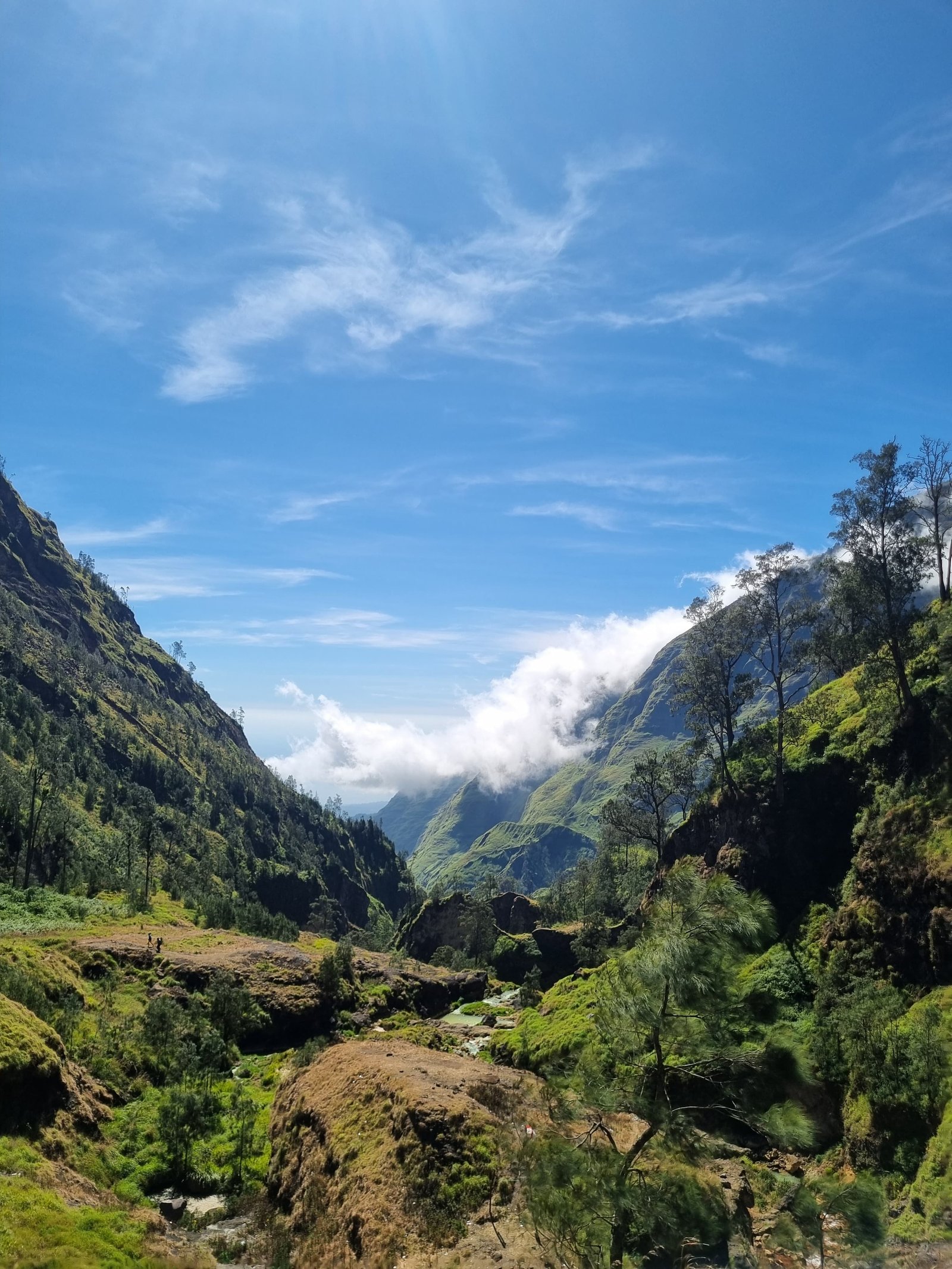
Porters carry the tents, sleeping bags, food, water and cooking gear, so you walk with a light daypack. That alone changes the difficulty a lot. Our packages include guide and porters, food and drinks, tent, sleeping bag and mat, the entrance fee and insurance, a hotel night in Senaru or Sembalun before the trek and pickup from Mataram, Senggigi or the Gilis. On a private trek you set your own pace and rest times. An extra porter for heavy luggage is available on request. Pack light with our Rinjani packing list.
Frequently asked questions
How hard is the Mount Rinjani trek?
Hard. Expect seven to nine hours of walking on the first day and a three-hour night climb on loose sand to the summit. It is non-technical, so fitness and determination matter more than experience.
Is Rinjani harder than Mount Batur or Mount Agung?
Much harder than Batur, which is a short sunrise hike. Rinjani is a multi-day trek with camping and more than 2,500 m of elevation gain to the summit, so it is a bigger commitment than a one-night volcano hike on Bali.
Can I do Rinjani without training?
If you are already active, the crater rim is possible without special training. For the summit we strongly recommend a few weeks of cardio and leg training beforehand.
Which Rinjani trek is easiest?
The 2D1N crater rim treks via Senaru or Sembalun. They skip the summit night and still give you sunset and sunrise over the caldera.
How long does it take to climb to the Rinjani summit?
About three hours from the Sembalun crater rim (2,639 m) to the summit (3,726 m), starting around 03:00 to arrive at sunrise, and about two hours back to the rim.
Is there an age limit for Rinjani?
Climbers under 17 must be accompanied by a certified guide under the 2025-2026 rules. For children and older trekkers, fitness and a health certificate matter more than age; ask us for advice on the right itinerary.
Will I get altitude sickness on Rinjani?
Most trekkers only feel mild effects, but it can happen, especially on the fast 2D1N summit trek. Walk slowly, drink water and tell your guide if you feel unwell.
Do I need to carry my own tent and food?
Not on our packages: porters carry tents, sleeping gear, food and cooking equipment. You carry a daypack with water, snacks, layers and a headlamp.
Ready to test yourself? Start gently with the 2D1N Senaru crater rim trek, take the summit at a relaxed pace on the 4D3N Sembalun to Senaru trek, or compare every option on our Rinjani trekking packages page. Not sure which fits you? Tell us about your fitness on WhatsApp.