
The Metamorphosis of Gili Trawangan: 1 History, Philosophy, and the Journey from a Royal Prison Labyrinth to a Global Center of Sustainable Tourism
The Metamorphosis of Gili Trawangan: 1 History, Philosophy, and the Journey from a Royal Prison Labyrinth to a Global Center of Sustainable Tourism
Gili Trawangan is not merely a small island with white sandy beaches; it is a tourism phenomenon born from a harsh historical past, unique geological formation, and the resilience of its local community. Gili Trawangan is not just about an island—it is a symbol of cultural preservation, environmental stewardship, and the determination to protect ancestral land as a core value of the indigenous people of Gili Trawangan.
This small island has become the beating heart of Lombok’s natural beauty, continuously cared for and preserved through collective effort and sincere dedication. Its deep history speaks not only of the island’s presence on God’s earth, but also of the responsibility to protect a divine gift entrusted through one of His creations called Gili Trawangan. Therefore, allow us to present an overview of the island’s origins—from historical analysis to its present-day development.
This article is presented in two parts: the first explores the historical background, while the second highlights the natural beauty and tourism values that can be enjoyed today. We realize this writing is far from perfect and will continue to be refined to increase reader interest and inspire travelers to return—equipped with meaningful insight before deciding to visit this beautiful island called Gili Trawangan. Enjoy the journey.
Gili Trawangan: An In-Depth Analysis of History, Geological Theory, and a Travel Guide to Lombok’s Tropical Paradise
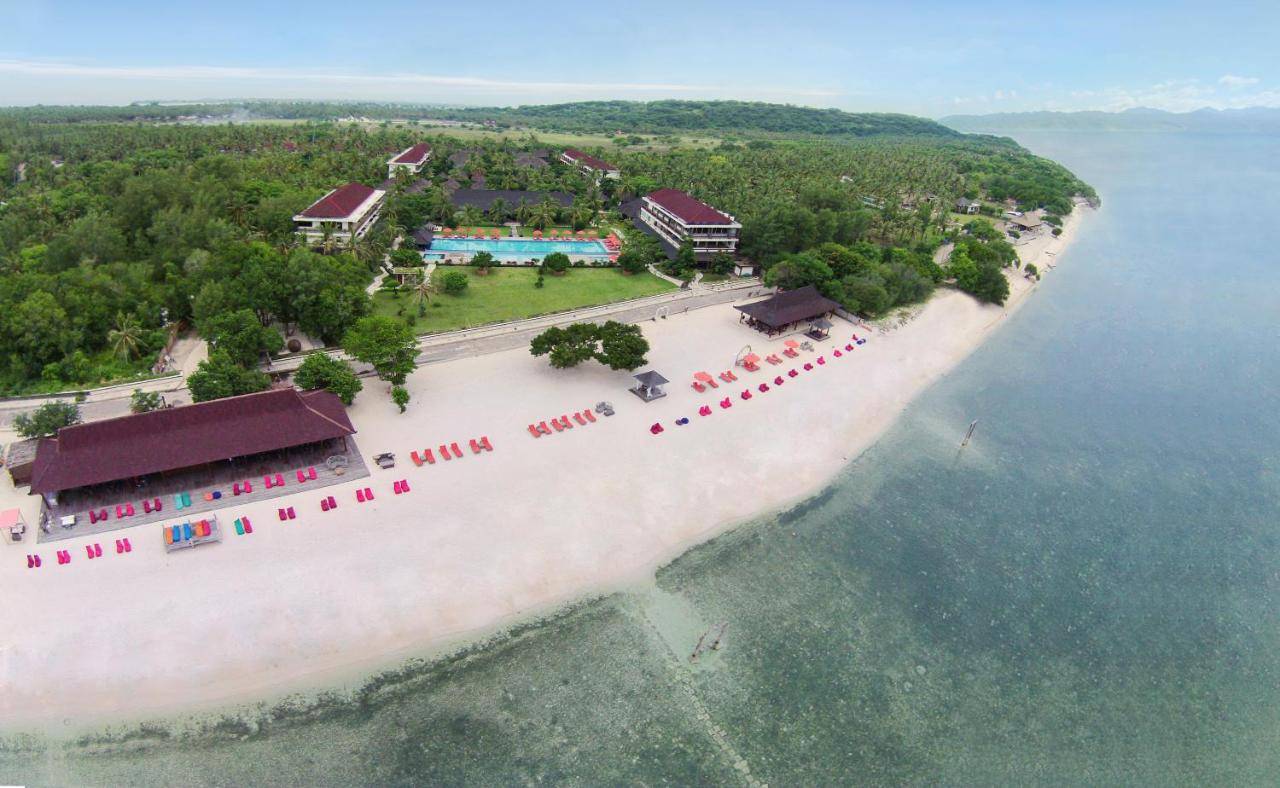
Located off the northwest coast of Lombok Island, Gili Trawangan has evolved from a silent exile island into a world-class tourism destination. For travelers seeking a blend of pollution-free tranquility and vibrant nightlife, this island is the perfect answer.
- Geological Theory: How Was Gili Trawangan Formed?
Scientifically, the formation of Gili Trawangan (along with Gili Meno and Gili Air) is the result of ancient tectonic and volcanic activity in the Lombok Strait millions of years ago.
Submarine Volcanic Activity
Geological research indicates that the Gili Islands were formed through underwater volcanic activity in the Pamenang region. Their foundational structure consists of pillow lava, which solidified beneath shallow seawater.
Atoll Formation Process
Gili Trawangan represents a unique combination of volcanic rock and massive coral reef growth. Over time, the inactive volcanic island eroded into a lagoon, while surrounding coral reefs continued to grow upward, eventually forming a flat atoll covered with white sand derived from fragmented coral.
Part of a UNESCO Global Geopark
Due to its rare geological structure and rich marine ecosystem, Gili Trawangan is now recognized as an important part of the Rinjani–Lombok UNESCO Global Geopark.
- Historical Footprints: From Prison Island to Japanese Bunkers
The history of Gili Trawangan runs far deeper than tourism alone. It unfolds across three major phases:
*Royal Era and Exile Island (19th Century)
In the past, this island was a place of fear. During the reign of the Karangasem Kingdom in Lombok, Gili Trawangan functioned as an exile island. Around 350 prisoners from the Sasak ethnic group, accused of rebellion, were banished here. Its isolated location and strong ocean currents in the Lombok Strait made it a natural prison with no escape.
*Japanese Occupation and the Origin of the Name “Trawangan”
The island’s name is closely linked to its military function. “Trawangan” is derived from the word “Terowongan” (Tunnel). During World War II (1942–1945), Japanese forces constructed underground tunnel networks and bunkers in the island’s hills. These tunnels served as strategic observation posts to monitor Allied ships passing through the Lombok Strait. Today, remnants of these Japanese bunkers can still be found at the island’s highest points.
*Bugis Migration and the Tourism Era (1970s–Present)
Permanent settlement began in the 1970s when seafarers from the Bugis ethnic group of South Sulawesi settled on the island to farm and fish. In the 1980s, backpackers began discovering its beauty, triggering the island’s transformation from a fishing village into a global tourism destination.
- Current Conditions 2025–2026: Development and Investment
By 2026, Gili Trawangan has become the primary economic engine of North Lombok Regency (KLU).
Investment Magnet
Data shows that the Three Gili Islands contribute more than 93% of tourism investment realization in North Lombok. This has driven the growth of eco-resorts and international-standard healthcare facilities.
Sustainable Tourism Focus
The West Nusa Tenggara (NTB) Provincial Government is now prioritizing sustainable destination management. This includes improving clean water infrastructure, strengthening renewable energy use, and implementing modern waste management systems to handle up to 18 tons of daily waste generated by tourism activity.
- Why Visit Gili Trawangan? (Main Attractions)
*Freedom from Pollution: No Motorized Vehicles
One of the island’s most unique regulations is the complete ban on motorized vehicles. The air here is 100% clean. Transportation options include:
- Cidomo: Iconic traditional horse-drawn carts
- Bicycles / Electric Bikes: The most flexible way to explore
- Walking: Circumnavigating the island takes only 1.5–2 hours
*The World’s Turtle Capital
The waters around Gili Trawangan are home to Green Turtles and Hawksbill Turtles. At Turtle Point, you can swim alongside these gentle giants just meters from the shore while snorkeling. There is also a turtle hatchery managed by the local community as part of conservation education efforts.
*Luxury of “Double Sunrise & Sunset”
Only in Gili Trawangan can you enjoy two spectacular skies in one day:
- Sunrise: Eastern coast with Mount Rinjani as the backdrop
- Sunset: Western coast with Mount Agung in Bali silhouetted against the horizon
*Nightlife and Open-Air Cinema
At night, Gili Trawangan transforms. Enjoy fresh seafood at the night market, watch movies under the stars at a beachfront cinema, or dance at friendly reggae bars that define the island’s warm nightlife atmosphere.
- Environmental Challenges: Tourist Awareness
Gili Trawangan currently faces coastal erosion of up to 4 meters per year and serious waste issues. Responsible travelers are strongly encouraged to:
- Bring reusable water bottles (reduce single-use plastic)
- Avoid touching or stepping on coral reefs while snorkeling
- Support local businesses that practice eco-friendly principles
Conclusion: A Paradise in Constant Renewal
Gili Trawangan is living proof of nature’s wonder and history’s endurance. From a remote exile island to a world-class tropical paradise, it offers experiences found nowhere else. With clean air, crystal-clear waters, and welcoming communities, Gili Trawangan is ready to become part of your travel story.
Ready to explore this paradise?
Book your Gili Trawangan Lombok holiday now through our website: jalanjalansebentar.com